When planning a visit to Siem Reap, the temples naturally dominate the itinerary. Angkor Wat, Ta Prohm, and Bayon are iconic, and for good motive. They symbolize historical past, scale, and craftsmanship that few locations on the planet can match. Like most guests, I spent the primary few days transferring from one temple to a different, chasing the right picture and ticking off must-see landmarks.
By the third day, nonetheless, the expertise started to really feel repetitive. The crowds have been dense, the warmth was unforgiving, and the tempo was exhausting. I discovered myself wanting an expertise that felt calmer and extra related to the current. I wasn’t in search of one other attraction, however for one thing that supplied perspective past historic stone and historic narratives.
That search led me to a different attraction situated 30-40 minutes outdoors Siem Reap, however undoubtedly a must-visit for anybody coming to Siem Reap: Angkor Wildlife & Aquarium.
Key Takeaways:
- Angkor Wildlife & Aquarium is a must-visit vacation spot in Siem Reap.
- They aren’t a zoo; as an alternative, they’re a conservation centre.
- You’ll be able to witness Cambodia Wildlife up & shut
- Their non-public excursions are price attempting.
- Ticket costs begin at 20 USD
Preliminary Skepticism
I approached the thought with hesitation. As somebody who tries to journey responsibly, wildlife points of interest typically make me uncomfortable. Too many locations use animals as leisure with out giving correct thought to welfare, conservation, or long-term affect. I had the same old doubts: Is it moral? Is it simply one other zoo? Are the animals there for show or for care?
These questions nearly made me skip the go to completely. I’ve executed so in different locations when solutions have been unclear. On this case, although, I made a decision to look deeper relatively than dismiss it outright. What I discovered advised that Angkor Wildlife & Aquarium was working on a really completely different mannequin.

First Impressions on Arrival
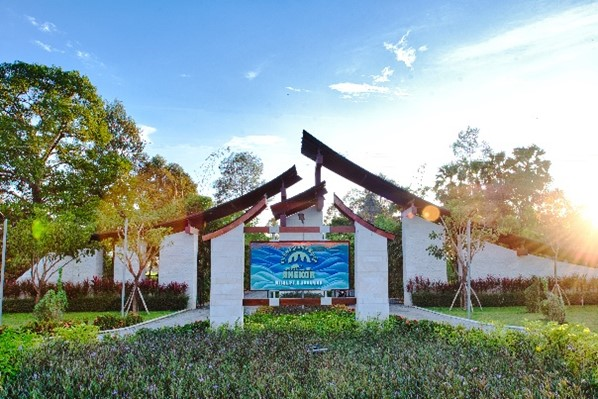
From the second I arrived, the ambiance felt noticeably completely different from what I anticipated. The format was spacious, calm, and well-organised. There was no sense of chaos or overstimulation, which is commonly the case in animal points of interest. As an alternative, the setting felt purposeful and managed, designed with each animals and guests in thoughts.
What stood out instantly was the academic tone. Signage centered much less on leisure and extra on context, the place the animals come from, why they’re there, and what threats they face within the wild. This framing set the tone for the remainder of the go to and made it clear that the expertise was meant to tell, not merely impress.

Not a Zoo, however a Conservation Area
As I moved by way of the park, it turned clear that AWA doesn’t place itself as a standard zoo. The main focus shouldn’t be on spectacle or uncommon animals from throughout the globe. As an alternative, the emphasis is on regional wildlife, significantly species native to Cambodia and the encircling ecosystems.
Most of the animals housed listed below are rescues. They’ve been introduced in as a result of harm, unlawful commerce, or unsafe environments, and can’t merely be launched again into the wild. Understanding this context modifications the way you see every enclosure. You aren’t observing animals for leisure, however studying concerning the penalties of human exercise on wildlife.
Seeing Animals as People
One of the crucial putting points of the go to was how the animals have been offered. Species such because the Golden Jackal and the Indo-Chinese language Langur have been launched not as points of interest, however as people with tales. Info boards defined the place they have been discovered, why they have been rescued, and what care they now obtain.
This strategy created a way of connection relatively than distance. It was clear that the aim was to not impress guests with dimension or rarity, however to encourage understanding. The expertise felt grounded and respectful, which is uncommon in wildlife tourism.

Employees Data and Care
Throughout my tour, the interplay between employees and animals was significantly telling. Caretakers demonstrated deep information of animal behaviour, well being indicators, and particular person wants. Their strategy was calm, affected person, and respectful, with no sense of efficiency for guests.
It was evident that welfare takes priority over customer expectations. If an animal didn’t have interaction throughout feeding or enrichment, employees adjusted with out hesitation. This willingness to prioritise animal consolation over leisure is a robust indicator of moral follow.
Feeding as Enrichment, Not Leisure
The feeding course of itself was dealt with with care and clarification. Relatively than turning it right into a present, employees used the chance to elucidate dietary planning, enrichment methods, and well being monitoring. This helped guests perceive that feeding is a part of ongoing care, not a spectacle.
The cleanliness and organisation of the meals preparation areas have been additionally notable. Requirements have been excessive, reinforcing the sense that animal well being is handled severely at each stage.
The Aquarium Expertise
The aquarium part of AWA deserves equal consideration. Relatively than focusing solely on visually spectacular species, the reveals spotlight native freshwater ecosystems, significantly these related to the Mekong River and Tonlé Sap Lake.
This focus provides depth to the expertise. Many guests encounter these environments on Tonle Sap Lake boat excursions with out understanding the complicated life beneath the floor. The aquarium supplies that lacking perspective and connects wildlife conservation on to on a regular basis Cambodian life. Additionally they provide a half-day package deal that takes you to Tonle Sap Lake first, then brings you to the AWA to find out about it.

Accessibility and Transport
Though AWA is situated round 25 kilometres from Siem Reap, reaching it was simple. The drive takes roughly 30 to 40 minutes and affords an opportunity to see the countryside past town centre.
The supply of a free shuttle service, significantly on weekends and public holidays, removes any logistical concern. This makes the go to accessible even for travellers with out non-public transport.

Remaining Ideas
Angkor Wildlife & Aquarium affords one thing genuinely completely different in Siem Reap. It shifts the main focus from historic achievement to present-day duty. Relatively than leaving with pictures alone, guests go away with a deeper understanding of conservation challenges and efforts in Cambodia.
The place the temples encourage awe for the previous, AWA affords hope for the long run. It’s a place that encourages reflection, studying, and assist for significant work. For travellers searching for greater than sightseeing, it’s properly well worth the go to.

When planning a visit to Siem Reap, the temples naturally dominate the itinerary. Angkor Wat, Ta Prohm, and Bayon are iconic, and for good motive. They symbolize historical past, scale, and craftsmanship that few locations on the planet can match. Like most guests, I spent the primary few days transferring from one temple to a different, chasing the right picture and ticking off must-see landmarks.
By the third day, nonetheless, the expertise started to really feel repetitive. The crowds have been dense, the warmth was unforgiving, and the tempo was exhausting. I discovered myself wanting an expertise that felt calmer and extra related to the current. I wasn’t in search of one other attraction, however for one thing that supplied perspective past historic stone and historic narratives.
That search led me to a different attraction situated 30-40 minutes outdoors Siem Reap, however undoubtedly a must-visit for anybody coming to Siem Reap: Angkor Wildlife & Aquarium.
Key Takeaways:
- Angkor Wildlife & Aquarium is a must-visit vacation spot in Siem Reap.
- They aren’t a zoo; as an alternative, they’re a conservation centre.
- You’ll be able to witness Cambodia Wildlife up & shut
- Their non-public excursions are price attempting.
- Ticket costs begin at 20 USD
Preliminary Skepticism
I approached the thought with hesitation. As somebody who tries to journey responsibly, wildlife points of interest typically make me uncomfortable. Too many locations use animals as leisure with out giving correct thought to welfare, conservation, or long-term affect. I had the same old doubts: Is it moral? Is it simply one other zoo? Are the animals there for show or for care?
These questions nearly made me skip the go to completely. I’ve executed so in different locations when solutions have been unclear. On this case, although, I made a decision to look deeper relatively than dismiss it outright. What I discovered advised that Angkor Wildlife & Aquarium was working on a really completely different mannequin.
First Impressions on Arrival
From the second I arrived, the ambiance felt noticeably completely different from what I anticipated. The format was spacious, calm, and well-organised. There was no sense of chaos or overstimulation, which is commonly the case in animal points of interest. As an alternative, the setting felt purposeful and managed, designed with each animals and guests in thoughts.
What stood out instantly was the academic tone. Signage centered much less on leisure and extra on context, the place the animals come from, why they’re there, and what threats they face within the wild. This framing set the tone for the remainder of the go to and made it clear that the expertise was meant to tell, not merely impress.
Not a Zoo, however a Conservation Area
As I moved by way of the park, it turned clear that AWA doesn’t place itself as a standard zoo. The main focus shouldn’t be on spectacle or uncommon animals from throughout the globe. As an alternative, the emphasis is on regional wildlife, significantly species native to Cambodia and the encircling ecosystems.
Most of the animals housed listed below are rescues. They’ve been introduced in as a result of harm, unlawful commerce, or unsafe environments, and can’t merely be launched again into the wild. Understanding this context modifications the way you see every enclosure. You aren’t observing animals for leisure, however studying concerning the penalties of human exercise on wildlife.
Seeing Animals as People
One of the crucial putting points of the go to was how the animals have been offered. Species such because the Golden Jackal and the Indo-Chinese language Langur have been launched not as points of interest, however as people with tales. Info boards defined the place they have been discovered, why they have been rescued, and what care they now obtain.
This strategy created a way of connection relatively than distance. It was clear that the aim was to not impress guests with dimension or rarity, however to encourage understanding. The expertise felt grounded and respectful, which is uncommon in wildlife tourism.
Employees Data and Care
Throughout my tour, the interplay between employees and animals was significantly telling. Caretakers demonstrated deep information of animal behaviour, well being indicators, and particular person wants. Their strategy was calm, affected person, and respectful, with no sense of efficiency for guests.
It was evident that welfare takes priority over customer expectations. If an animal didn’t have interaction throughout feeding or enrichment, employees adjusted with out hesitation. This willingness to prioritise animal consolation over leisure is a robust indicator of moral follow.
Feeding as Enrichment, Not Leisure
The feeding course of itself was dealt with with care and clarification. Relatively than turning it right into a present, employees used the chance to elucidate dietary planning, enrichment methods, and well being monitoring. This helped guests perceive that feeding is a part of ongoing care, not a spectacle.
The cleanliness and organisation of the meals preparation areas have been additionally notable. Requirements have been excessive, reinforcing the sense that animal well being is handled severely at each stage.
The Aquarium Expertise
The aquarium part of AWA deserves equal consideration. Relatively than focusing solely on visually spectacular species, the reveals spotlight native freshwater ecosystems, significantly these related to the Mekong River and Tonlé Sap Lake.
This focus provides depth to the expertise. Many guests encounter these environments on Tonle Sap Lake boat excursions with out understanding the complicated life beneath the floor. The aquarium supplies that lacking perspective and connects wildlife conservation on to on a regular basis Cambodian life. Additionally they provide a half-day package deal that takes you to Tonle Sap Lake first, then brings you to the AWA to find out about it.
Accessibility and Transport
Though AWA is situated round 25 kilometres from Siem Reap, reaching it was simple. The drive takes roughly 30 to 40 minutes and affords an opportunity to see the countryside past town centre.
The supply of a free shuttle service, significantly on weekends and public holidays, removes any logistical concern. This makes the go to accessible even for travellers with out non-public transport.
Remaining Ideas
Angkor Wildlife & Aquarium affords one thing genuinely completely different in Siem Reap. It shifts the main focus from historic achievement to present-day duty. Relatively than leaving with pictures alone, guests go away with a deeper understanding of conservation challenges and efforts in Cambodia.
The place the temples encourage awe for the previous, AWA affords hope for the long run. It’s a place that encourages reflection, studying, and assist for significant work. For travellers searching for greater than sightseeing, it’s properly well worth the go to.
When planning a visit to Siem Reap, the temples naturally dominate the itinerary. Angkor Wat, Ta Prohm, and Bayon are iconic, and for good motive. They symbolize historical past, scale, and craftsmanship that few locations on the planet can match. Like most guests, I spent the primary few days transferring from one temple to a different, chasing the right picture and ticking off must-see landmarks.
By the third day, nonetheless, the expertise started to really feel repetitive. The crowds have been dense, the warmth was unforgiving, and the tempo was exhausting. I discovered myself wanting an expertise that felt calmer and extra related to the current. I wasn’t in search of one other attraction, however for one thing that supplied perspective past historic stone and historic narratives.
That search led me to a different attraction situated 30-40 minutes outdoors Siem Reap, however undoubtedly a must-visit for anybody coming to Siem Reap: Angkor Wildlife & Aquarium.
Key Takeaways:
- Angkor Wildlife & Aquarium is a must-visit vacation spot in Siem Reap.
- They aren’t a zoo; as an alternative, they’re a conservation centre.
- You’ll be able to witness Cambodia Wildlife up & shut
- Their non-public excursions are price attempting.
- Ticket costs begin at 20 USD
Preliminary Skepticism
I approached the thought with hesitation. As somebody who tries to journey responsibly, wildlife points of interest typically make me uncomfortable. Too many locations use animals as leisure with out giving correct thought to welfare, conservation, or long-term affect. I had the same old doubts: Is it moral? Is it simply one other zoo? Are the animals there for show or for care?
These questions nearly made me skip the go to completely. I’ve executed so in different locations when solutions have been unclear. On this case, although, I made a decision to look deeper relatively than dismiss it outright. What I discovered advised that Angkor Wildlife & Aquarium was working on a really completely different mannequin.
First Impressions on Arrival
From the second I arrived, the ambiance felt noticeably completely different from what I anticipated. The format was spacious, calm, and well-organised. There was no sense of chaos or overstimulation, which is commonly the case in animal points of interest. As an alternative, the setting felt purposeful and managed, designed with each animals and guests in thoughts.
What stood out instantly was the academic tone. Signage centered much less on leisure and extra on context, the place the animals come from, why they’re there, and what threats they face within the wild. This framing set the tone for the remainder of the go to and made it clear that the expertise was meant to tell, not merely impress.
Not a Zoo, however a Conservation Area
As I moved by way of the park, it turned clear that AWA doesn’t place itself as a standard zoo. The main focus shouldn’t be on spectacle or uncommon animals from throughout the globe. As an alternative, the emphasis is on regional wildlife, significantly species native to Cambodia and the encircling ecosystems.
Most of the animals housed listed below are rescues. They’ve been introduced in as a result of harm, unlawful commerce, or unsafe environments, and can’t merely be launched again into the wild. Understanding this context modifications the way you see every enclosure. You aren’t observing animals for leisure, however studying concerning the penalties of human exercise on wildlife.
Seeing Animals as People
One of the crucial putting points of the go to was how the animals have been offered. Species such because the Golden Jackal and the Indo-Chinese language Langur have been launched not as points of interest, however as people with tales. Info boards defined the place they have been discovered, why they have been rescued, and what care they now obtain.
This strategy created a way of connection relatively than distance. It was clear that the aim was to not impress guests with dimension or rarity, however to encourage understanding. The expertise felt grounded and respectful, which is uncommon in wildlife tourism.
Employees Data and Care
Throughout my tour, the interplay between employees and animals was significantly telling. Caretakers demonstrated deep information of animal behaviour, well being indicators, and particular person wants. Their strategy was calm, affected person, and respectful, with no sense of efficiency for guests.
It was evident that welfare takes priority over customer expectations. If an animal didn’t have interaction throughout feeding or enrichment, employees adjusted with out hesitation. This willingness to prioritise animal consolation over leisure is a robust indicator of moral follow.
Feeding as Enrichment, Not Leisure
The feeding course of itself was dealt with with care and clarification. Relatively than turning it right into a present, employees used the chance to elucidate dietary planning, enrichment methods, and well being monitoring. This helped guests perceive that feeding is a part of ongoing care, not a spectacle.
The cleanliness and organisation of the meals preparation areas have been additionally notable. Requirements have been excessive, reinforcing the sense that animal well being is handled severely at each stage.
The Aquarium Expertise
The aquarium part of AWA deserves equal consideration. Relatively than focusing solely on visually spectacular species, the reveals spotlight native freshwater ecosystems, significantly these related to the Mekong River and Tonlé Sap Lake.
This focus provides depth to the expertise. Many guests encounter these environments on Tonle Sap Lake boat excursions with out understanding the complicated life beneath the floor. The aquarium supplies that lacking perspective and connects wildlife conservation on to on a regular basis Cambodian life. Additionally they provide a half-day package deal that takes you to Tonle Sap Lake first, then brings you to the AWA to find out about it.
Accessibility and Transport
Though AWA is situated round 25 kilometres from Siem Reap, reaching it was simple. The drive takes roughly 30 to 40 minutes and affords an opportunity to see the countryside past town centre.
The supply of a free shuttle service, significantly on weekends and public holidays, removes any logistical concern. This makes the go to accessible even for travellers with out non-public transport.
Remaining Ideas
Angkor Wildlife & Aquarium affords one thing genuinely completely different in Siem Reap. It shifts the main focus from historic achievement to present-day duty. Relatively than leaving with pictures alone, guests go away with a deeper understanding of conservation challenges and efforts in Cambodia.
The place the temples encourage awe for the previous, AWA affords hope for the long run. It’s a place that encourages reflection, studying, and assist for significant work. For travellers searching for greater than sightseeing, it’s properly well worth the go to.
When planning a visit to Siem Reap, the temples naturally dominate the itinerary. Angkor Wat, Ta Prohm, and Bayon are iconic, and for good motive. They symbolize historical past, scale, and craftsmanship that few locations on the planet can match. Like most guests, I spent the primary few days transferring from one temple to a different, chasing the right picture and ticking off must-see landmarks.
By the third day, nonetheless, the expertise started to really feel repetitive. The crowds have been dense, the warmth was unforgiving, and the tempo was exhausting. I discovered myself wanting an expertise that felt calmer and extra related to the current. I wasn’t in search of one other attraction, however for one thing that supplied perspective past historic stone and historic narratives.
That search led me to a different attraction situated 30-40 minutes outdoors Siem Reap, however undoubtedly a must-visit for anybody coming to Siem Reap: Angkor Wildlife & Aquarium.
Key Takeaways:
- Angkor Wildlife & Aquarium is a must-visit vacation spot in Siem Reap.
- They aren’t a zoo; as an alternative, they’re a conservation centre.
- You’ll be able to witness Cambodia Wildlife up & shut
- Their non-public excursions are price attempting.
- Ticket costs begin at 20 USD
Preliminary Skepticism
I approached the thought with hesitation. As somebody who tries to journey responsibly, wildlife points of interest typically make me uncomfortable. Too many locations use animals as leisure with out giving correct thought to welfare, conservation, or long-term affect. I had the same old doubts: Is it moral? Is it simply one other zoo? Are the animals there for show or for care?
These questions nearly made me skip the go to completely. I’ve executed so in different locations when solutions have been unclear. On this case, although, I made a decision to look deeper relatively than dismiss it outright. What I discovered advised that Angkor Wildlife & Aquarium was working on a really completely different mannequin.
First Impressions on Arrival
From the second I arrived, the ambiance felt noticeably completely different from what I anticipated. The format was spacious, calm, and well-organised. There was no sense of chaos or overstimulation, which is commonly the case in animal points of interest. As an alternative, the setting felt purposeful and managed, designed with each animals and guests in thoughts.
What stood out instantly was the academic tone. Signage centered much less on leisure and extra on context, the place the animals come from, why they’re there, and what threats they face within the wild. This framing set the tone for the remainder of the go to and made it clear that the expertise was meant to tell, not merely impress.
Not a Zoo, however a Conservation Area
As I moved by way of the park, it turned clear that AWA doesn’t place itself as a standard zoo. The main focus shouldn’t be on spectacle or uncommon animals from throughout the globe. As an alternative, the emphasis is on regional wildlife, significantly species native to Cambodia and the encircling ecosystems.
Most of the animals housed listed below are rescues. They’ve been introduced in as a result of harm, unlawful commerce, or unsafe environments, and can’t merely be launched again into the wild. Understanding this context modifications the way you see every enclosure. You aren’t observing animals for leisure, however studying concerning the penalties of human exercise on wildlife.
Seeing Animals as People
One of the crucial putting points of the go to was how the animals have been offered. Species such because the Golden Jackal and the Indo-Chinese language Langur have been launched not as points of interest, however as people with tales. Info boards defined the place they have been discovered, why they have been rescued, and what care they now obtain.
This strategy created a way of connection relatively than distance. It was clear that the aim was to not impress guests with dimension or rarity, however to encourage understanding. The expertise felt grounded and respectful, which is uncommon in wildlife tourism.
Employees Data and Care
Throughout my tour, the interplay between employees and animals was significantly telling. Caretakers demonstrated deep information of animal behaviour, well being indicators, and particular person wants. Their strategy was calm, affected person, and respectful, with no sense of efficiency for guests.
It was evident that welfare takes priority over customer expectations. If an animal didn’t have interaction throughout feeding or enrichment, employees adjusted with out hesitation. This willingness to prioritise animal consolation over leisure is a robust indicator of moral follow.
Feeding as Enrichment, Not Leisure
The feeding course of itself was dealt with with care and clarification. Relatively than turning it right into a present, employees used the chance to elucidate dietary planning, enrichment methods, and well being monitoring. This helped guests perceive that feeding is a part of ongoing care, not a spectacle.
The cleanliness and organisation of the meals preparation areas have been additionally notable. Requirements have been excessive, reinforcing the sense that animal well being is handled severely at each stage.
The Aquarium Expertise
The aquarium part of AWA deserves equal consideration. Relatively than focusing solely on visually spectacular species, the reveals spotlight native freshwater ecosystems, significantly these related to the Mekong River and Tonlé Sap Lake.
This focus provides depth to the expertise. Many guests encounter these environments on Tonle Sap Lake boat excursions with out understanding the complicated life beneath the floor. The aquarium supplies that lacking perspective and connects wildlife conservation on to on a regular basis Cambodian life. Additionally they provide a half-day package deal that takes you to Tonle Sap Lake first, then brings you to the AWA to find out about it.
Accessibility and Transport
Though AWA is situated round 25 kilometres from Siem Reap, reaching it was simple. The drive takes roughly 30 to 40 minutes and affords an opportunity to see the countryside past town centre.
The supply of a free shuttle service, significantly on weekends and public holidays, removes any logistical concern. This makes the go to accessible even for travellers with out non-public transport.
Remaining Ideas
Angkor Wildlife & Aquarium affords one thing genuinely completely different in Siem Reap. It shifts the main focus from historic achievement to present-day duty. Relatively than leaving with pictures alone, guests go away with a deeper understanding of conservation challenges and efforts in Cambodia.
The place the temples encourage awe for the previous, AWA affords hope for the long run. It’s a place that encourages reflection, studying, and assist for significant work. For travellers searching for greater than sightseeing, it’s properly well worth the go to.