The World Tourism Community is urging international tourism our bodies, together with WTTC, UN Tourism, and Locations Worldwide, to talk out as worry spreads amongst worldwide guests. WTN questions why U.S. tourism boards stay largely silent, warning that inaction might replicate worry—and dangers deepening injury to U.S. tourism, jobs, and international credibility.
The US is dealing with mounting reputational injury in international tourism markets following unusually stark criticism from the United Nations’ prime human rights official, who warned that present enforcement practices threat being “dehumanizing,” “discriminatory,” and corrosive to primary human dignity.”
Business leaders now say that the language utilized by the UN Excessive Commissioner for Human Rights, Volker Türk, is reverberating far past diplomatic circles—fueling worry and uncertainty amongst worldwide guests and contributing to a rising downturn in journey demand for the US.
In his assertion, Türk cautioned that “harsh, pointless and disproportionate measures” in immigration enforcement—mixed with “demonizing rhetoric towards migrants”—are incompatible with worldwide human rights obligations. He harassed that all non-citizens, no matter standing, are entitled to dignity, due course of, and safety from arbitrary therapy.
Whereas the assertion centered on migrants and deaths in U.S. detention, its affect has unfold shortly throughout worldwide media, social platforms, and journey advisories—elevating alarm amongst lawful vacationers, college students, and enterprise vacationers.
Worry Spreads Past Enforcement Targets
Tourism operators report that potential guests more and more worry being subjected to arbitrary questioning, detention, or invasive scrutiny at U.S. borders.
“Individuals are listening to phrases like ‘dehumanizing’ and ‘disproportionate’ from the UN’s prime human rights official,” stated a senior govt at a global tour firm. “They don’t cease to ask whether or not these warnings apply solely to undocumented migrants. They ask, ‘May this occur to me?’”
Questions from vacationers now routinely embrace considerations about telephone searches, secondary inspections, visa revocations, and the potential of detention regardless of holding legitimate documentation—considerations amplified by the UN’s warning that enforcement practices mustn’t ever undermine human dignity or the rule of regulation.
Tourism Business Faces Dramatic Decline
The chilling impact is already being felt throughout the U.S. journey and tourism business. Worldwide guests—who usually spend extra, keep longer, and help higher-wage jobs—are reconsidering U.S. journey in favor of locations perceived as extra predictable and welcoming.
Convention organizers report relocating occasions abroad. Universities word rising hesitation amongst worldwide college students and visiting students. Airways, resorts, and vacation spot advertising and marketing organizations warn that even a small drop in inbound journey can translate into billions of {dollars} in misplaced income.
American Jobs at Danger
The results fall squarely on U.S. employees. Tourism helps tens of millions of American jobs throughout hospitality, transportation, meals service, retail, and leisure. As worldwide arrivals decline, layoffs and decreased hours observe—significantly in gateway cities and tourism-dependent areas.
“These insurance policies might not goal vacationers,” stated a hospitality affiliation spokesperson, “however the fallout completely targets American employees.”
World Tourism Community Requires World Business Motion

Amid rising concern, the World Tourism Community (WTN) is urging main international tourism our bodies—together with the World Journey & Tourism Council (WTTC), UN Tourism, and Locations Worldwide—to attend, tackle, and publicly converse out on the state of affairs.
WTN Chairman Juergen Steinmetz argues that the intersection of human rights, notion, and tourism demand can not be handled as a peripheral situation. In a press release circulated amongst business stakeholders, the group warned that silence dangers normalizing worry amongst worldwide vacationers and accelerating long-term injury to the U.S. tourism economic system.
WTN can also be brazenly questioning why nationwide, state, and regional tourism boards in the US—in addition to main U.S. journey associations—have remained largely silent, regardless of clear proof of reputational hurt in key supply markets.
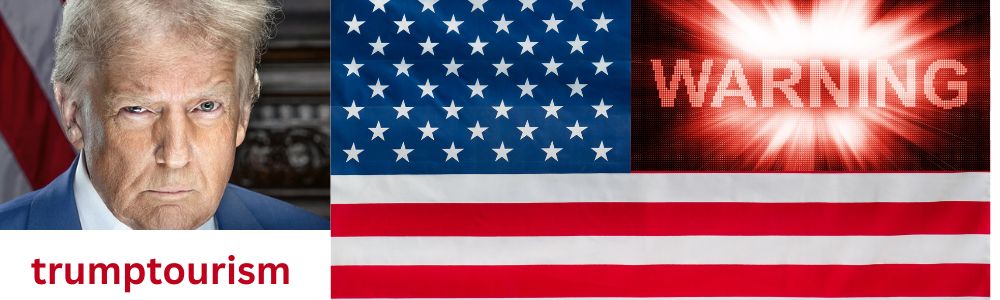
Silence, or Worry?
The absence of public engagement from U.S. tourism authorities has raised an uncomfortable query inside the international business: Is worry driving the silence?
Some business insiders recommend that tourism organizations could also be reluctant to talk out as a result of political strain, funding dependencies, or concern over retaliation. Others warn that inaction itself carries threat.
“Tourism boards exist to guard vacation spot picture and customer confidence,” stated one worldwide vacation spot strategist. “In the event that they keep quiet whereas worry spreads, they’re failing of their core mission.”
A tourism official from a Florida vacation spot, chatting with eTurboNews on situation of anonymity, stated worry is spreading quickly inside the business. In response to the official, state-level directives are mandating adjustments that forestall native locations from persevering with long-standing insurance policies of inclusiveness, creating inner strain to stay silent regardless of rising concern over worldwide customer perceptions.
WTN contends that management is urgently wanted—not solely to defend tourism jobs and companies, however to reaffirm the precept that welcoming guests and respecting human dignity are inseparable.
Harm to the U.S. Picture Overseas
For many years, the US cultivated a worldwide picture of openness and alternative. Now, tourism officers in Europe, Asia, and Latin America report that the U.S. is more and more considered as unpredictable and hostile to non-citizens.
Türk warned that “insurance policies and practices that deal with individuals as lower than human erode belief in establishments and undermine democratic values.” Branding specialists say that the message, coming from the UN’s highest human rights authority, carries distinctive weight in worldwide supply markets.
“As soon as worry turns into a part of the U.S. model,” stated one international tourism advisor, “restoration is sluggish, costly, and unsure.”
A Important Juncture
As scrutiny intensifies, tourism leaders warn that continued silence—each political and institutional—might deepen the injury.
With out clear engagement, coordinated business management, and a reaffirmation of dignity at borders, the US dangers long-term hurt to its tourism economic system, its workforce, and its international standing as a vacation spot—an end result which will persist lengthy after enforcement insurance policies themselves change.
Support authors and subscribe to content
This is premium stuff. Subscribe to read the entire article.